
5 Products found
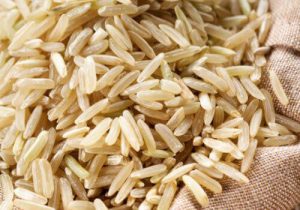
Rice from Pakistan | Basmati & Non-Basmati Rice Exporters
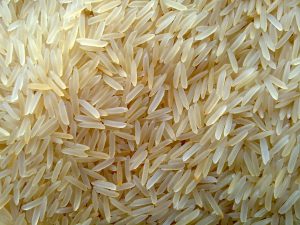
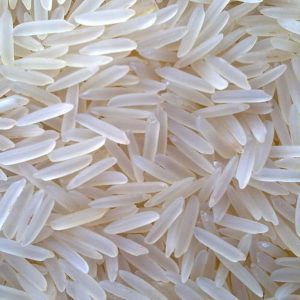
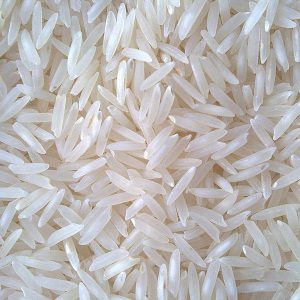
Pakistan is one of the world’s leading rice exporters, globally recognized for its long-grain Basmati rice grown in the fertile plains of Punjab. Alongside premium Basmati varieties, the country also produces significant volumes of non-Basmati rice such as IRRI varieties, supplying both premium and value-focused segments of the international rice trade.
Overview of Pakistan’s Rice Export Industry
Rice cultivation in Pakistan is concentrated in the Punjab region, particularly around the Kalar tract known for producing aromatic Basmati rice, alongside Sindh, which contributes significant volumes of IRRI and other non-Basmati varieties. Export houses typically operate their own milling, grading, and packing facilities to control quality from paddy procurement through to final export packaging.
Product Range Available
- Basmati rice (Super Basmati, 1121 Basmati, traditional Basmati)
- Long-grain non-Basmati rice (IRRI-6, IRRI-9)
- Parboiled rice
- Broken rice for industrial and food processing use
- Organic rice varieties
- Custom private-label packaged rice
Why Source Rice from Pakistan
Pakistani Basmati rice is prized internationally for its distinctive aroma, long grain length, and extended cooking elongation. Buyers also benefit from competitive FOB pricing relative to other major rice-exporting countries, along with established export infrastructure and shipping experience covering both bulk and retail-ready packaging formats.
Quality Standards and Certifications
Rice exporters typically test and certify shipments for moisture content, broken grain percentage, and purity in line with buyer specifications and international food safety standards. Many mills hold ISO 22000 or HACCP certification for food safety management, and some maintain organic certification for buyers seeking certified organic rice.
Applications and End Uses
Pakistani rice supplies retail grocery chains, wholesale food distributors, the hospitality and food service sector, and food processing companies producing rice-based products. Broken rice grades are also used in industrial applications such as rice flour and starch production.
Export Markets and Shipping
Major destinations for Pakistani rice include the Middle East, particularly Saudi Arabia and the UAE, along with the European Union, the United States, and East African markets. Rice is typically shipped in bulk vessels or containerized in 25kg, 50kg, or retail-pack bags, with lead times generally ranging from 15-30 days depending on order size and packaging requirements.
Frequently Asked Questions
What is the difference between Pakistani Basmati and other Basmati rice?
Pakistani Basmati, particularly varieties grown in the Punjab region, is known for its distinct aroma, long grain length, and significant elongation when cooked, characteristics closely tied to the specific soil and climate conditions of the growing region.
Can rice be supplied in custom retail packaging?
Yes, most exporters offer private-label and custom retail packaging in various bag sizes and materials, including buyer-specified branding and labeling.
What documentation is provided with rice export shipments?
Standard export documentation typically includes a certificate of origin, phytosanitary certificate, quality/analysis certificate, and commercial invoice, with additional documents available on request depending on the destination country’s requirements.